
Centres of Study · Justice and Legal Studies
Centre for Justice and Legal Studies
The Centre studies how India’s legal institutions work, where they fall short and what reform should look like. Its scholarship ranges from the Constitution and the courts to electoral law, arbitration and the law’s encounter with society, guided by the constitutionalist conviction that durable change comes through institutions.
The Constitution and its institutions
Fundamental rights, Parliament, the Election Commission and the courts
Electoral law and reform
Electoral rolls, conduct of elections and representation
Arbitration and dispute resolution
How courts and tribunals shape commercial confidence
Law and society
Gender, equality and legal reform for contemporary Bharat
Recent work
All work from the centre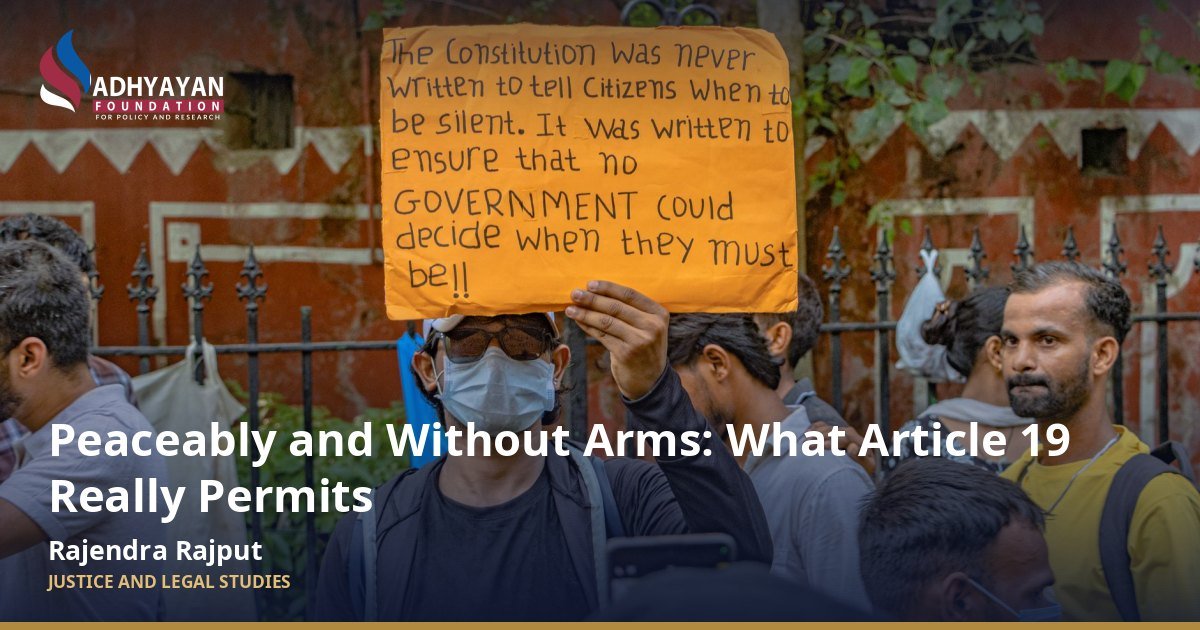 Peaceably and Without Arms: What Article 19 Really PermitsRajendra Rajput · 5 November 2026
 Verdict on the Voter List: What the Court Really SaidRidhima Arora · 30 October 2026
 Common but Differentiated: What the Principle Means in Law, and What India Should Do With ItAdityasinh Ghatge · 30 October 2026
 Archipelago and Subcontinent: Two Democracies, One Voter-List ProblemSudhanshu Mishra · 30 October 2026
 The Referee’s Whistle: Article 324 and the Limits of the Election CommissionRajyvardhan Singh · 30 October 2026
 The Thin Blue Line: Police Reform and the Prakash Singh DirectionsAdityasinh Ghatge · 30 October 2026
 Correct the Record: A Citizen’s Remedies Against a Wrong EntryShrikant Alluri D · 30 October 2026
 The Grammar of Dissent: Why the Constitution Sends Protest to Institutions, Not the StreetShashank Shekhar Singh · 17 October 2026
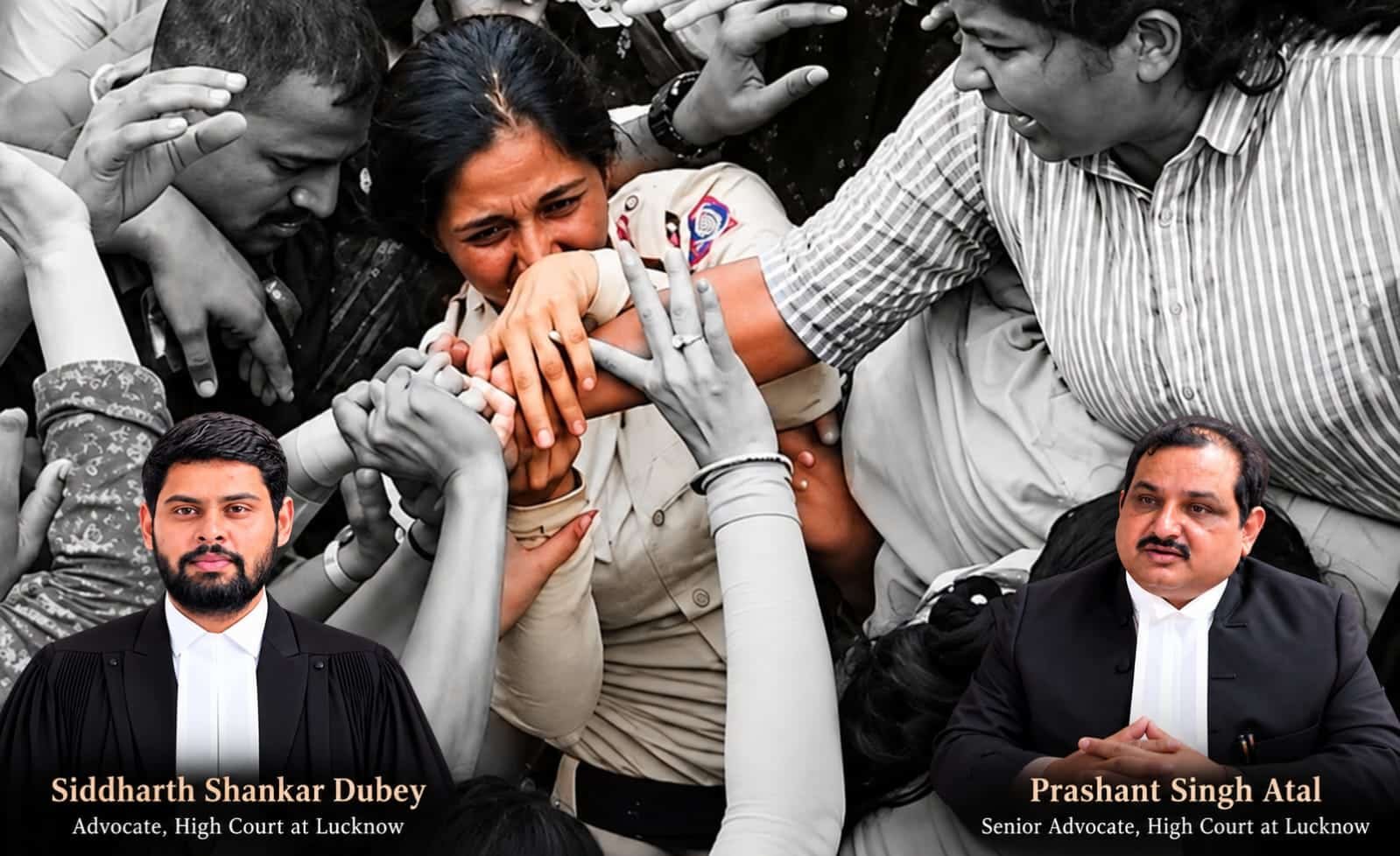 Petition, Not Placard: Why the Street Cannot Stand In for the Supreme Court, the Election Commission and the ConstitutionPrashant Singh Atal and Siddharth Shankar Dubey · 15 October 2026
 FROM REJECTION TO REFINEMENT: COURTS SHIFTING APPROACH UNDER ARBITRATION LAW.Anjali Yadav · 9 July 2025
 Gender Neutrality VS Gender Justice: Rethinking Equality in LawGaikhangduanliu M. Kamei · 7 July 2025
 The Battery-Mineral Anomaly: Global Competition Crisis for Critical Resources and Domestic Extraction Challenges in the Electric Vehicle RevolutionKunal Powde · 7 July 2025
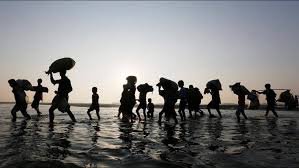 When the Land Disappears: Climate Migration and the Legal VoidYashwini Chauhan · 7 July 2025
 Borders, Bodies and Battles: Gendered Migration in the Age of Terror and DiplomacyMimansa Joshi · 6 July 2025
 Breaking the Binary: Legal and Social Recognition of Non-Binary and Transgender Rights in IndiaSneha Chakraborty · 2 July 2025
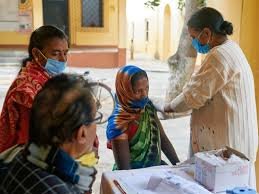 Urban-Rural Divide in Healthcare AccessGaikhangduanliu M. Kamei · 2 July 2025
 LABOUR LAW REFORMS AND GIG ECONOMY: RIGHTS, RISKS, AND THE FUTURE OF WORKAnjali Yadav · 28 June 2025
 CLIMATE JUSTICE AND VULNERABLE POPULATIONPrachi Gupta · 24 June 2025
 Justice Beyond the Text: The Rise and Risks of Judicial ActivismKaran Mehta · 24 June 2025
 Analysis of The Supreme Court’s Landmark Judgment on Child Betrothals: A Path to ChangeAahna Vashistha · 14 January 2025
 The Impact of Care Responsibilities on Women’s Labor Force ParticipationAahna Vashistha · 14 January 2025
 Legality of Pre-Nuptial Agreements: Embracing Change in Societal PerceptionsAatmaja Mishra · 16 December 2024
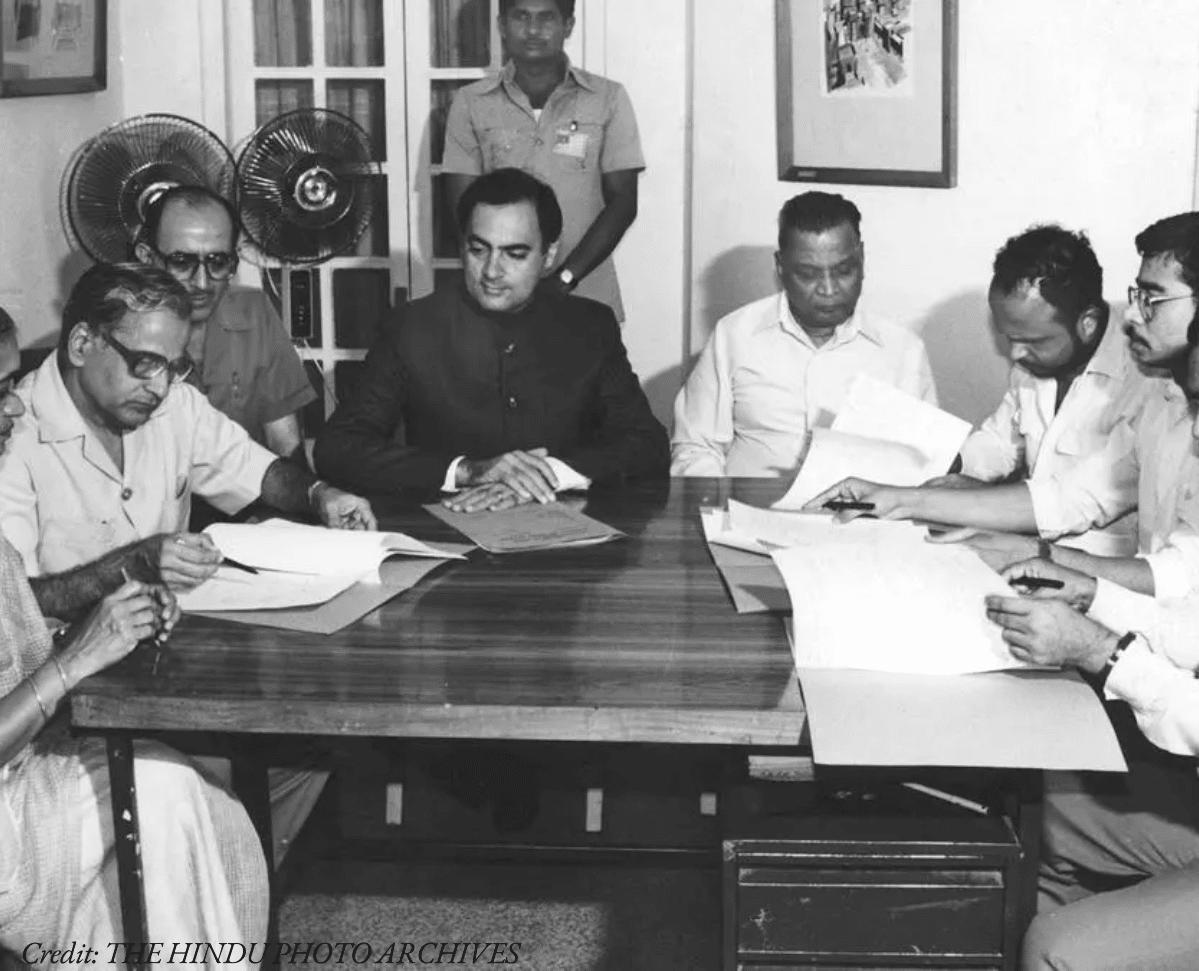 Implementation of Clause 6 of the Assam Accord: A Comprehensive AnalysisSimran Kaur · 11 December 2024
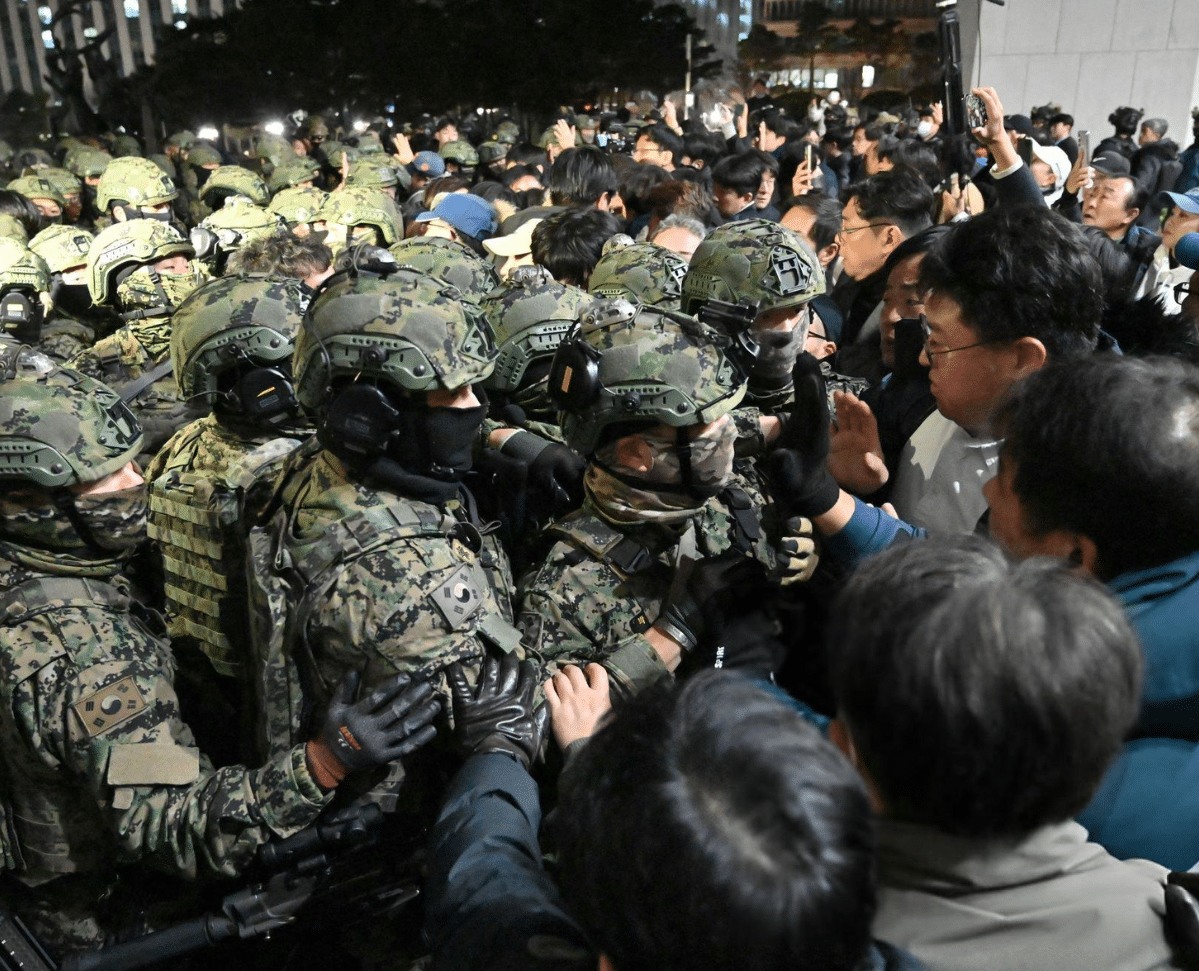 The Inglorious Attempt of South Korean Martial LawSamvat Bhardwaj · 11 December 2024
 INDIGO vs. MAHINDRA – Unveiling the Trademark Dispute.Aatmaja Mishra · 8 December 2024
 Transforming India’s Banking Landscape: The Impacts and Implications of the Banking Laws (Amendment) Bill, 2024AFPR Research · 8 December 2024
 Marital Rape: Legal Status and Its Social ImplicationsAatmaja Mishra · 1 December 2024
 ARTICLE 121 OF THE CONSTITUTION OF INDIARashmi Narasimhan · 19 October 2024
 Colour Blind to the Law: The Challenges of Colour Trademark ProtectionMoka Karthik · 19 October 2024
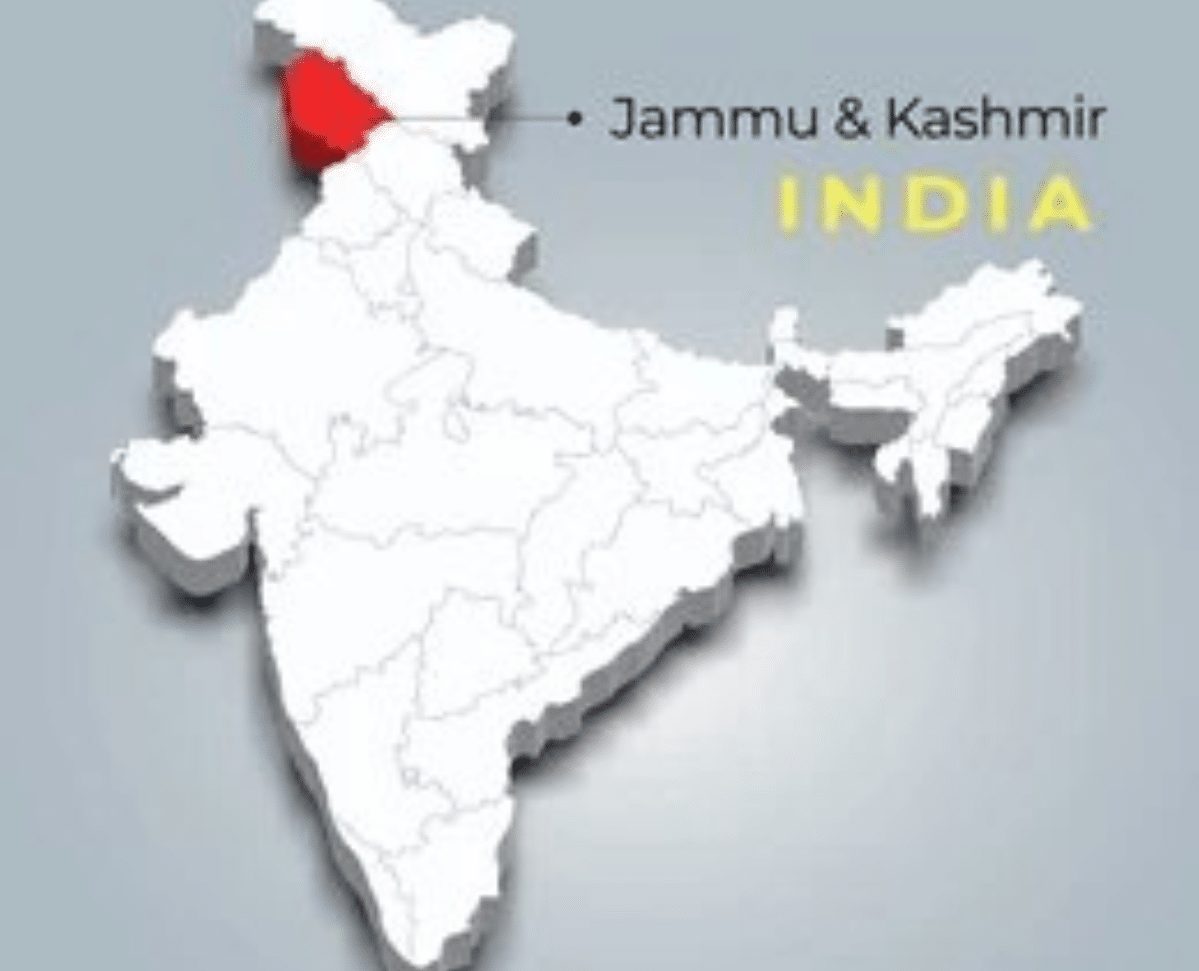 The 2024 Jammu and Kashmir Elections: Policy Shifts, Legal Framework, and President’s Rule in a Union TerritoryJyothi Sharma · 17 October 2024
 Conduct of Arbitral ProceedingsMoka Karthik · 30 August 2024
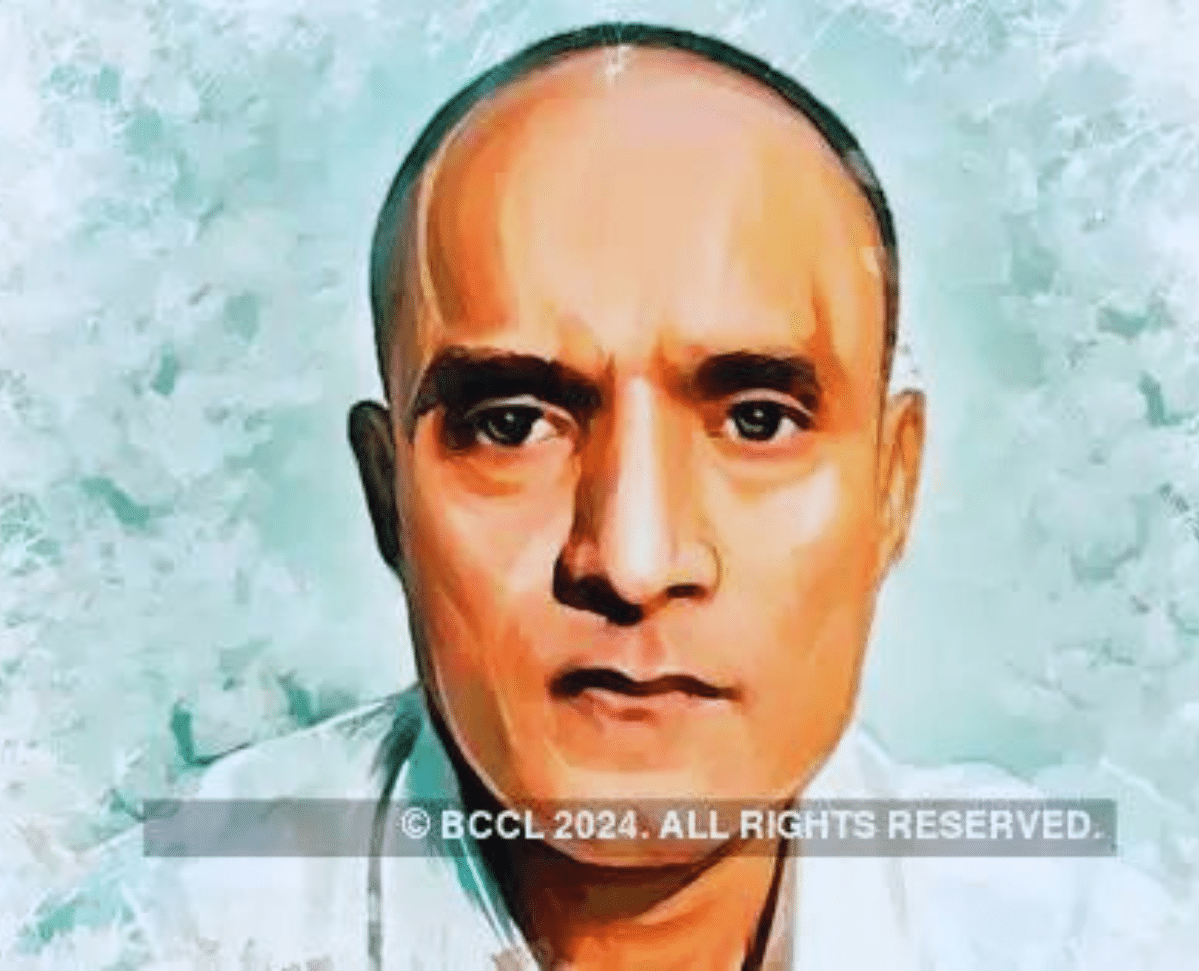 Case Comment (Kulbhushan Jadhav Case)Rushank Kumar (Research Fellow) · 6 August 2024
 International Arbitration Frameworks: Discrepancies And Judicial StanceHemaxi Agrawal · 1 August 2024